



Tools • Parts • Expert Support • JackHammers and More
Bench Rammers
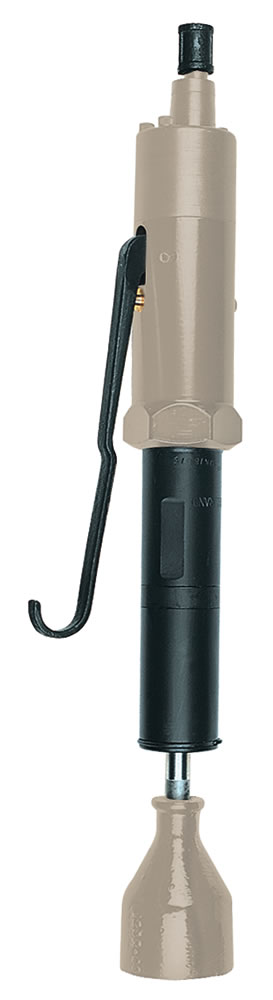
Compare bench and floor sand rammers for foundry mold work. The listed configurations differ in overall length, weight, stroke and rammer-butt size, so begin with the size of the mold and the working height. Review the selected model’s specifications and available butt configuration before requesting a complete tool or replacement part. Selection guide below →
Selected: Bench Rammers
Bench Rammers
2 tools · Showing 1–2



For replacement parts, use the Parts Lookup or Drawings Library.
Selection Guide
Choosing A Pneumatic Sand Rammer
Match the rammer to the mold and working position, then compare the contact end and air requirements.
1 Check The Working Height
Identify whether the mold is worked at a bench or from a standing floor position.
2 Compare Size And Contact
Review length, weight and the rammer butt needed for the mold area.
3 Review The Model
Check stroke, impact frequency, air consumption and the applicable parts drawing.
Bench Rammers Questions & Answers
What Is The Difference Between A Bench And Floor Rammer?
The listed bench rammer is shorter and lighter for smaller molds worked around bench height. The floor rammer is longer for larger molds and a standing working position. Compare the specific dimensions with your workspace.
How Do I Choose The Rammer-Butt Size?
Consider the mold area and the access around its features, then check which butt sizes are supported by the model. Confirm the included configuration when ordering; optional butts should not be assumed to come with the tool.
Why Should I Compare Length As Well As Weight?
Length affects working reach and position, while weight affects handling. Review both with the mold height and available space. A lighter tool may still be the wrong length for the intended operation.
Are Stroke And Blows Per Minute The Same Measurement?
Stroke describes piston travel; blows per minute describes impact frequency. Compare them as separate specifications, together with tool size and the butt configuration. View Bench Rammer Specifications →
Can I Use These Specifications To Choose A Backfill Tamper?
Use the separate backfill category for that application. A sand rammer’s foundry configuration should not be treated as a direct substitute based on similar length or impact frequency. Browse Backfill Tampers →
How Do I Identify A Replacement Rammer Part?
Start with the exact model and the bench or floor configuration. Use its parts drawing to identify the butt, shaft or internal component and include the part number with your request. Find Rammer Drawings →
Need Help Choosing?
Have the rammer model, mold size, working height and required butt configuration ready.
