
Rivet Busters · Buyer’s Guide
How To Choose A Rivet Buster And Matching Steel
Compare rivet buster stroke, handle, air supply and steel connection. Find the exact model and parts drawing before choosing accessories or replacements.
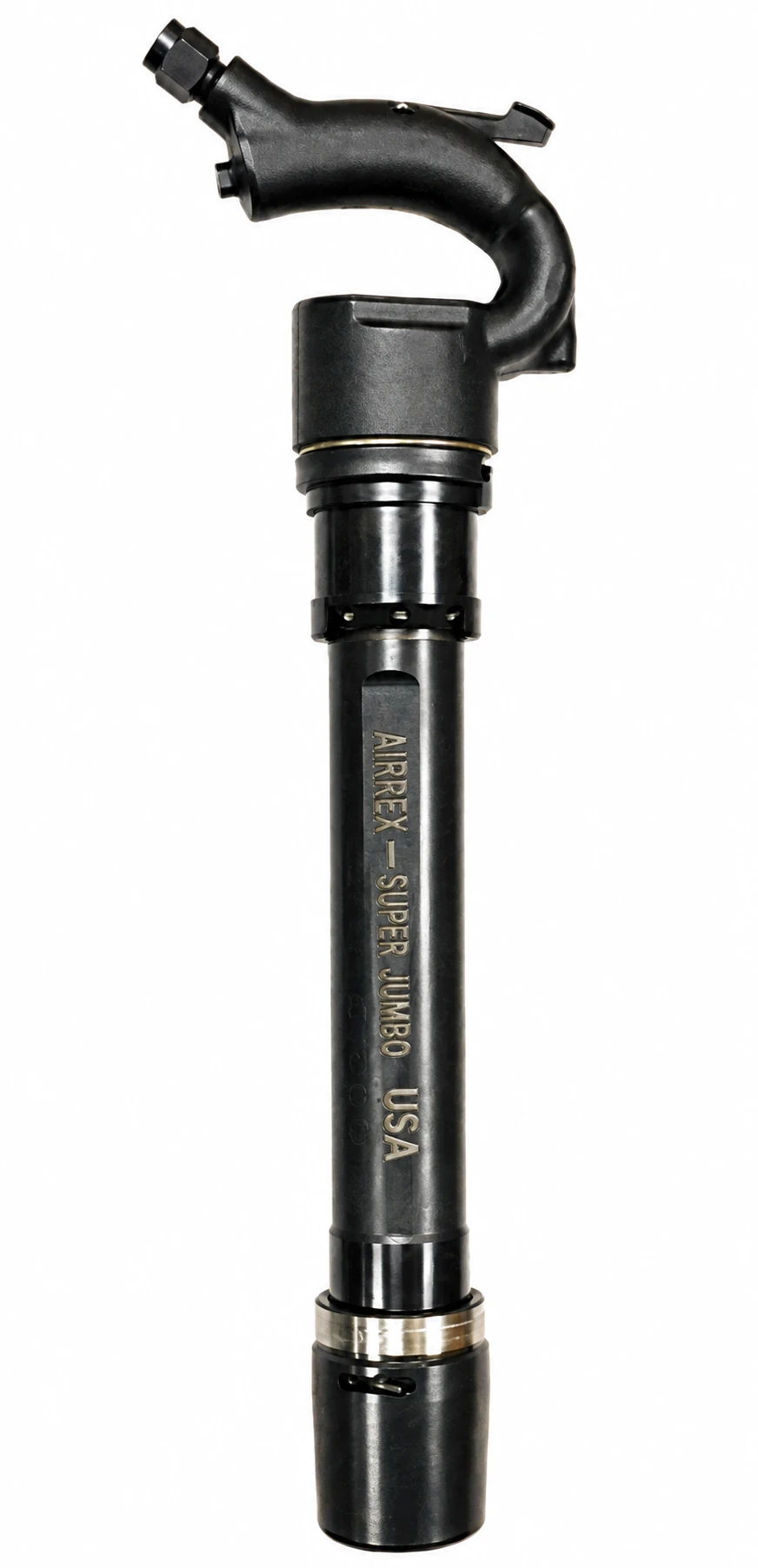
Rivet-buster listings can look similar until you begin comparing the stroke, handle and steel connection. Keeping the exact model beside each specification helps you see the choices that matter for your work.
Start with a description of what you need to remove and how you will reach it. We will use that description to work through the tool configuration, compatible steel and support information to gather before requesting a quote.
The Short Answer
Compare stroke, handle arrangement, tool weight and steel connection as a set. Keep the exact model and version with your selection. Standard and jumbo steel are not interchangeable just because the tools look similar.
Match The Tool To The Application
Rivet busters are percussive tools used for specified material-removal and demolition applications. Confirm the intended use of the exact model and working steel. The name alone does not approve every cutting accessory for every material.
Describe the material, access and work position when comparing tools. Include what you need to remove and what must remain intact. If the job instead requires a defined round hole, start with rock-drill selection.
Compare Stroke Without Confusing Length
An 8-inch or 11-inch stroke describes an internal travel measurement when the manufacturer labels it that way. It is different from overall tool length. Compare stroke, impact frequency, weight and length using matching labels across your shortlist.
A longer stroke is not a substitute for checking the whole specification. Keep the model suffix and configuration with each set of numbers, especially when a family includes more than one handle or retainer.

Choose The Handle For The Work Position
Look at the actual handle and trigger arrangement, not just the product silhouette. Compare the clearance around the work and the size of the complete tool with its accessory.
When a family offers different handles, treat each as a deliberate selection. Save the model-specific link and include that version in the inquiry so that the photograph, specification and requested tool remain aligned.
Identify Standard Or Jumbo Steel
Use the tool’s current accessory information to establish the required steel connection. Then select the working end and length for the approved application. A point that looks right in a photograph may still have the wrong shank or retaining features.
For replacement steel, send its part number if known, plus photographs and dimensions of the connection. For replacement internal components, open the matching parts drawing instead; working steel and internal repair parts follow different identification paths.
Include Air Requirements And Parts Support
Compare the exact model’s air consumption at its specified pressure and the required supply connections. Include hose length and simultaneous tool use when checking the compressor.
Before ordering, locate the drawing for the chosen model. Record the manufacturer part number and any version or serial restrictions. This makes future parts requests easier and helps avoid mixing components from similar-looking tools.
Your Comparison Checklist
| Selection detail | What to check | Avoid assuming |
|---|---|---|
| Stroke | The model’s stated piston stroke | Overall barrel length is the stroke |
| Handle and trigger | Actual arrangement and working clearance | A shared series name means the same handle |
| Steel | Standard/jumbo designation and complete fit requirements | Every rivet buster accepts one common shank |
| Air supply | Specified airflow, pressure, inlet and hose | A chipping-hammer setup necessarily meets the requirement |
| Parts | Exact model and drawing coverage | A callout number is the orderable part number |
Common Questions
Is An 11-Inch Rivet Buster Always Better Than An 8-Inch Model?
Choose from the complete specifications and the job. Stroke alone does not describe weight, handling, air requirements or the suitability of an accessory.
Can I Use Chipping-Hammer Chisels In A Rivet Buster?
Do not assume they fit. Identify the exact steel connection required by the rivet buster and use the approved accessory listing.
Where Can I Find A Rivet Buster Parts Diagram?
Open the model’s Parts link or use the parts-drawings library. Check the drawing’s model coverage and revision before using its part numbers.
References & Further Reading
- Ingersoll Rand: 8001A rivet buster
- Ingersoll Rand: 11001 rivet buster
- JackHammers rivet-buster catalog
Use the current manual for your exact model for operating, safety and maintenance instructions.
