
Drill Steel & Bits · Buyer’s Guide
Rock Drill Steel And Bits: Match Both Connections
Identify the drill shank, rod connection, bit diameter and length before ordering rock drill steel. Compare H thread, rope thread, taper and one-piece systems.
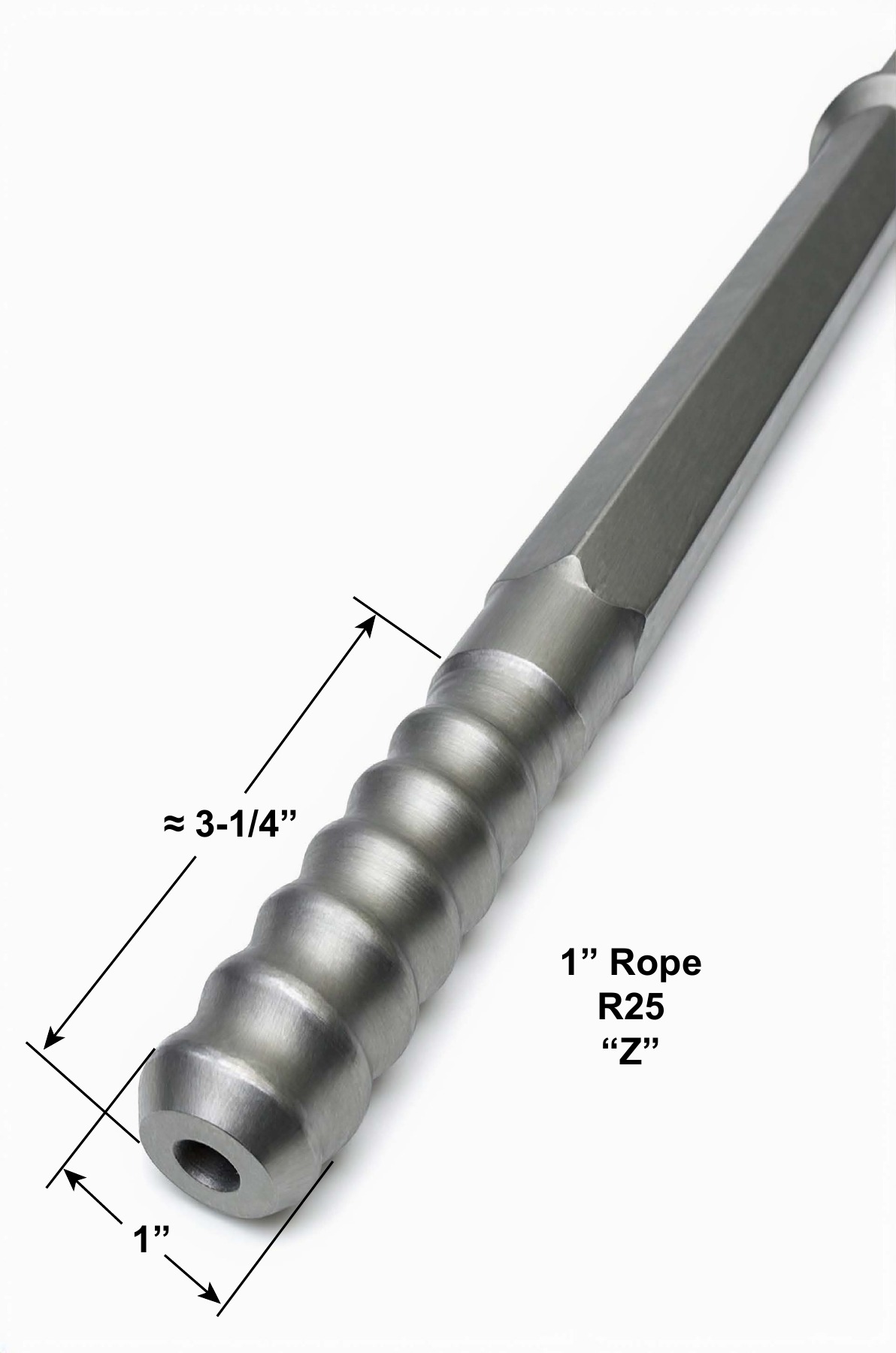
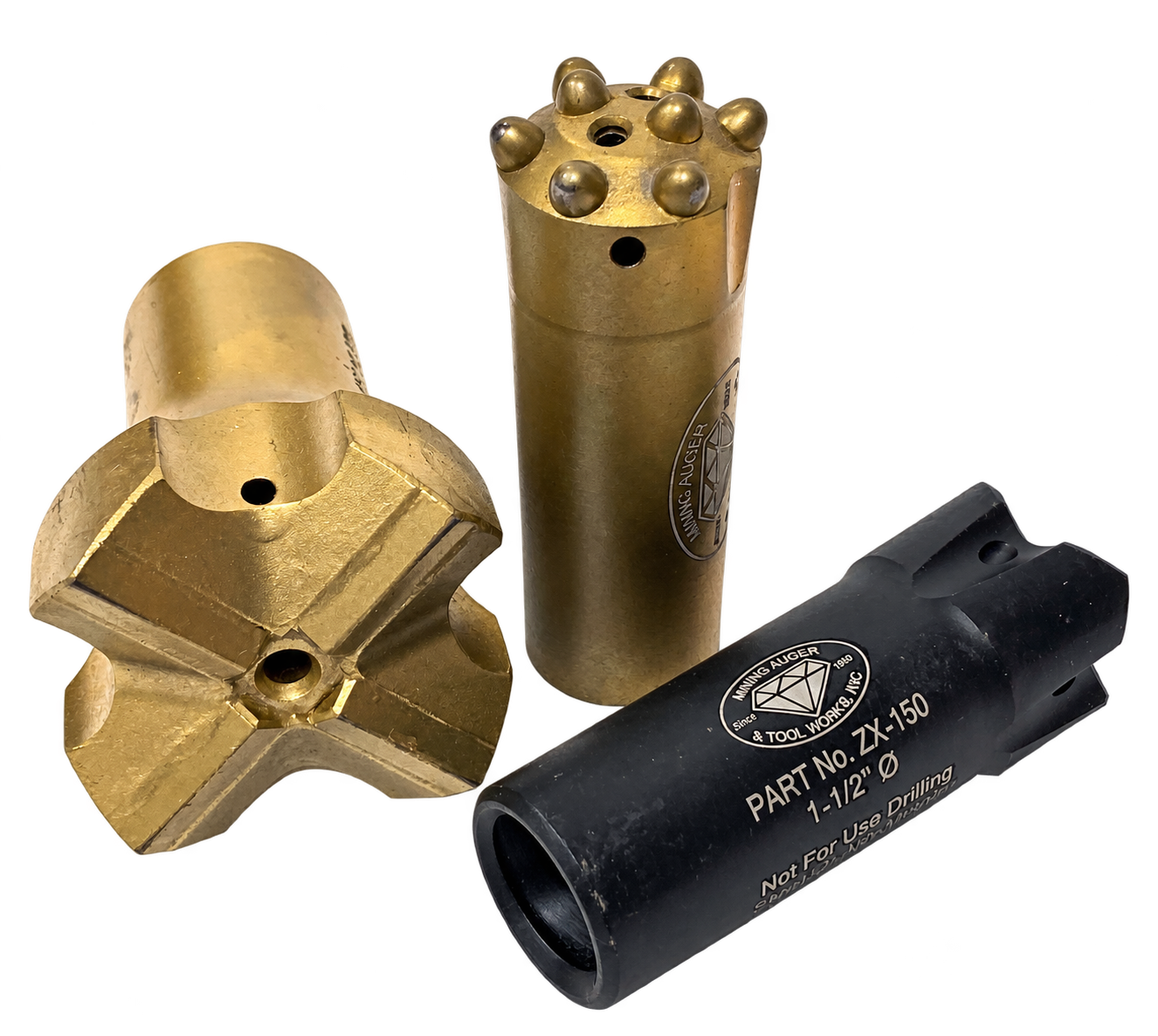
A replacement rock bit is easier to identify when you can trace the setup from the drill all the way to the cutting face. The drill shank, rod connection, bit diameter and working length each describe a different part of that setup.
Lay out the information you already have: the drill model, steel markings, connection photos and the hole you need. The following steps show how to use those details when browsing the available systems and sizes.
The Short Answer
Match the rod to the drill at one end and the bit to the rod at the other. Keep four details separate: shank dimensions, bit connection, hole diameter and rod length. A familiar brand name or similar-looking thread is not enough to confirm fit.
Start At The Drill-End Shank
Read the model plate and chuck specification before measuring the bit. In the catalog, dimensions such as 7/8 × 3-1/4 inches describe a shank configuration; they are not the diameter of the hole you will drill. Shape and length both matter.
Photograph the end that enters the drill and the retaining area. Record the complete dimensions from the applicable drawing or known part number. If the existing steel is worn or its markings are unclear, use the manufacturer’s specification to confirm the measurement.
Identify The Bit-End Connection
A detachable bit must match the rod’s connection. H thread, rope thread and tapered systems are different choices. Within a thread family, the exact size and component designation still matter. Tapered components also require a matching taper.
Do not force a nearly matching bit onto a rod. If an adapter is proposed, confirm that the manufacturer supports the complete combination for the drill and job. Send photographs of both mating ends when requesting help.
Choose Hole Diameter And Working Length
Select the cutting diameter for the required finished hole, then confirm that it falls within the drill’s stated capability. Compare rod length using the measurement shown in the listing. Overall length, under-collar length and usable drilling depth are not interchangeable labels.
For example, a request for a 24-inch-deep hole should say exactly that; it should not simply ask for a 24-inch rod. The appropriate steel depends on the system and how its length is defined. Include the finished depth in the quote request.

Compare Bit Faces Within A Compatible System
Cross and button designs describe the cutting face, while H thread or R25 describes a connection. These are different decisions. First establish which bits fit; then discuss the rock, hole requirements and manufacturer’s recommendations to choose among compatible faces.
There is no universal production-rate improvement we can promise from a bit photograph. Ground conditions, the drill, air delivery and the condition of the steel all affect the result. Include the current bit type and the problem you are trying to solve when comparing alternatives.
Build A Complete Parts List
List the drill model, rod part number or complete shank dimensions, connection system, bit diameter, required depth and quantities. Identify whether you need a replacement bit, a replacement rod, or both.
Our visual rock-bits and drill-rods guide groups the available systems. Open the matching size table and select the exact part. When the system is uncertain, request identification before assuming that a similar catalog photo establishes compatibility.
Your Comparison Checklist
| System | What to identify | Common ordering mistake |
|---|---|---|
| H-thread rod and bit | Exact H-thread connection plus drill shank | Ordering by bit diameter without checking the rod |
| Rope-thread rod and bit | Exact thread designation, such as R25, and component type | Treating all rope-thread sizes as interchangeable |
| Tapered steel and bit | Matching taper angle and dimensions | Assuming every tapered bit fits every tapered rod |
| One-piece bit | Drill shank, working length and cutting diameter | Confusing overall length with drilling depth |
| Z-thread / other named systems | The exact catalog system and matching components | Substituting a different thread because the diameter looks similar |
Common Questions
Does A 1-Inch Shank Mean A 1-Inch Hole?
No. The shank fits the drill; the bit’s cutting diameter determines the nominal hole size. Check both specifications.
Are H Thread And R25 Interchangeable?
Do not substitute one for the other. Match the exact rod and bit connection, including any approved adapter, rather than comparing names or outside diameters alone.
Can I Buy Only A Replacement Bit?
Yes, where your system uses a detachable bit and the correct replacement is available. A one-piece bit is a different assembly; identify the system before selecting a part.
References & Further Reading
- JackHammers visual rock-bit and drill-rod catalog
- Rockmore: extension drilling tools
- Padley & Venables: rock drilling tools
Use the current manual for your exact model for operating, safety and maintenance instructions.
